


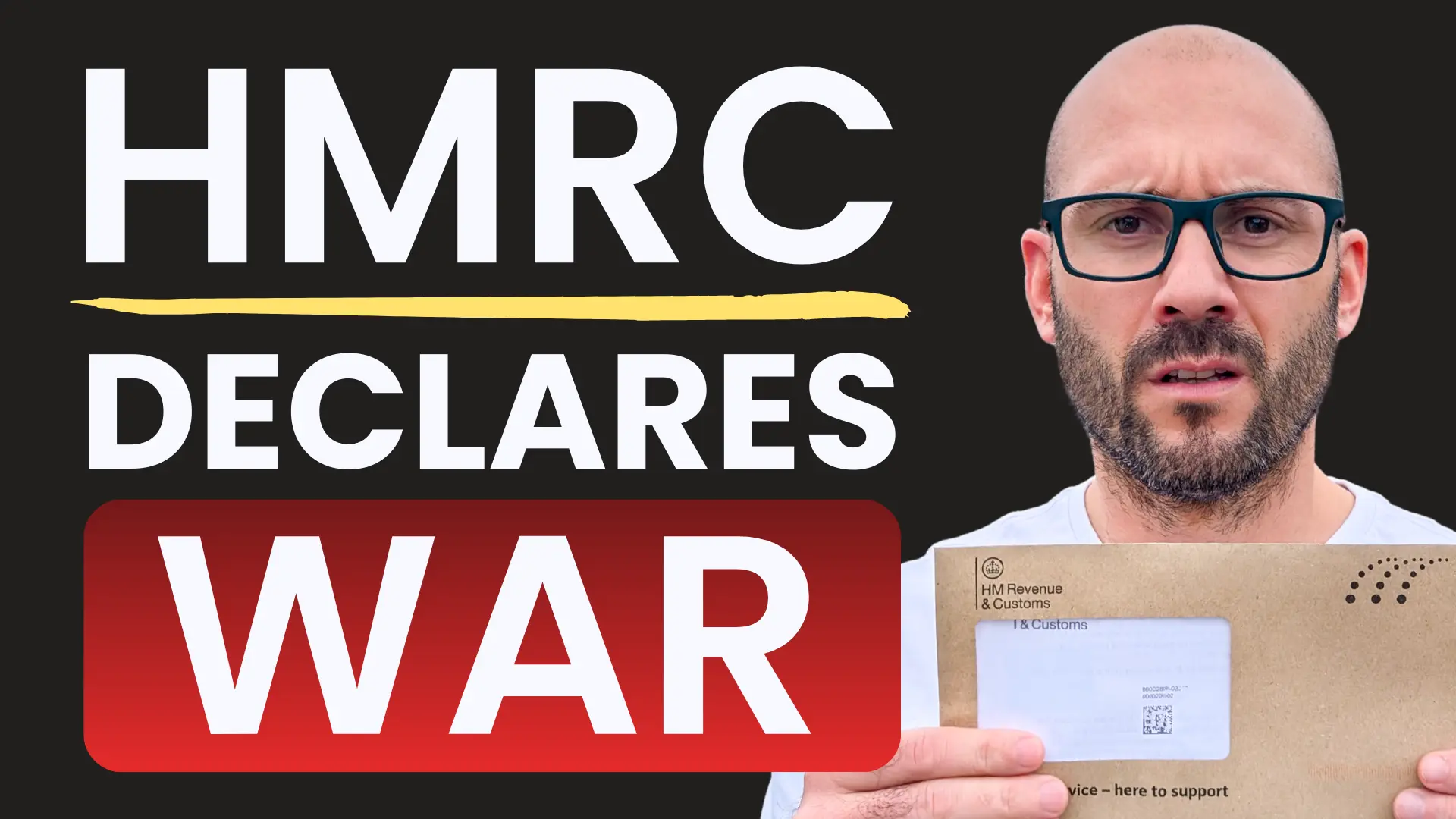
In 2026, HMRC will be coming after more people than ever before.
I am not talking about millionaires or the super-wealthy. I am talking about you: the person baking cakes for the local community, the freelancer doing side work, the accidental landlord with one property, or the person who sold a few items on eBay.
The reality is that most people receiving “brown envelopes” right now haven’t done anything intentionally wrong. They aren’t tax dodgers. They are ordinary people getting caught in a net that is becoming bigger, tighter, and more advanced every day.
Here is exactly why 2026 is the turning point, what HMRC is doing behind the scenes, and how you can protect yourself.
The Two Drivers of Change
Why is 2026 so critical? It comes down to two fundamental shifts:
The Surveillance State (HMRC’s New Tech)
HMRC has invested billions into Connect, their data analysis platform. It uses AI and machine learning to pull data from:
- Bank Transactions: Flagging regular income that doesn’t match declared earnings.
- Online Platforms: Sales data from eBay, Vinted, Airbnb, and crypto exchanges.
- Social Media: Scanning posts about lifestyle and business activities.
- International Data: Sharing agreements with tax authorities worldwide (Common Reporting Standard).
The days of “flying under the radar” are over. Every digital transaction leaves a trail, and HMRC now has the technology to follow it automatically, 24/7.
Key Takeaway
2026 marks the end of “flying under the radar.” HMRC’s new AI system, Connect, now automatically cross-references your bank data, online sales, and social media against your tax return 24/7. Combined with MTD’s 5 annual filings, any discrepancy will likely trigger an automatic investigation.
The Government Needs Money
HMRC is the direct pipeline to revenue for the government. Fines, penalties, and interest payments are lucrative. While HMRC has historically been seen as under-resourced, their investment in automated systems means they can now target mass compliance at scale without needing more human officers.
Who Is in the Firing Line?
We have seen a massive spike in “nudge letters” and investigations over the last year. The targets are often those with undeclared income from:
- Side Hustles: Selling on Etsy, Amazon, or eBay (earning over the £1,000 trading allowance).
- Crypto: Gains from trading are now shared directly by exchanges.
- Property: Undeclared rental income or Furnished Holiday Lets.
- Freelancing: Consultants, coaches, tutors, and creatives operating outside of PAYE.
The Strategy: HMRC often sends “fishing letters.” They aren’t always 100% sure you owe money; they send a letter saying, “We think you have undeclared income,” to panic you into revealing information voluntarily.
Making Tax Digital (MTD): The Penalty Goldmine
Starting April 2026, Making Tax Digital for Income Tax (MTD ITSA) becomes mandatory for sole traders and landlords with income over £50,000.
This is a fundamental shift. Instead of one annual tax return, you will have to submit five returns a year (four quarterly updates + one final declaration).
Why this matters:
- More Deadlines: 5 deadlines = 5 chances to miss one.
- More Penalties: Miss a deadline? Fine. Submit wrong format? Fine. No digital records? Fine.
- Administrative Pain: The system is deliberately burdensome. It pushes small operators to either give up or return to the simplicity of PAYE employment.
How to Protect Yourself
If you receive a letter, do not panic. Do not immediately call them and admit guilt. Receiving a letter does not mean you are in trouble; it means their system flagged a discrepancy.
Document Everything
If you operate outside of PAYE, you must keep records. Use accounting software or a robust Excel spreadsheet to track every invoice, receipt, and bank transfer.
- Why? If HMRC comes knocking, you want to open the door with a comprehensive file. This signals you are organized and a “hard target,” making it less likely they will pursue a costly investigation.
Understand Tax Efficiency
Many people panic and overpay because they don’t understand allowable expenses.
- Example: You made £3,000 selling cakes. HMRC flags this revenue. You panic.
- Reality: You spent money on ingredients, equipment, packaging, delivery fuel, and use of home. Your actual profit might only be £500. You only pay tax on profit, not revenue.
HMRC will not tell you this. It is not in their interest for you to be tax-efficient.
Received a “nudge letter” from HMRC?
Don’t panic and don’t overpay. Let us handle the response and protect your business.
Be Proactive, Not Reactive
- Register: Know when you cross the £1,000 trading allowance threshold.
- Prepare for MTD: Get your software sorted now, not in April 2026.
- Get a Shield: A good accountant isn’t just a form-filler; they are your defense. They understand the specific reliefs for your industry and stand between you and HMRC during an enquiry.
The Bottom Line
We all have an obligation to pay our taxes to fund society—roads, schools, the NHS. But we have zero obligation to pay a penny more than we legally owe.
HMRC is counting on you being disorganized, uninformed, and easy to scare. By getting your records in order, understanding your rights, and preparing for 2026 now, you take back control.


